


























Benefits of Installing Crash Barriers






Why Crash Barriers Matter
Crash barriers are an essential component of road safety infrastructure, designed to minimize the impact of collisions and reduce the risk of injury or death in the event of an accident. These barriers are placed along roadsides, highways, and other critical areas where vehicles are likely to veer off course. The importance of installing crash barriers cannot be overstated, as they play a crucial role in protecting both drivers and pedestrians.
Types of Crash Barriers
There are several types of crash barriers, each designed for specific uses and environments:
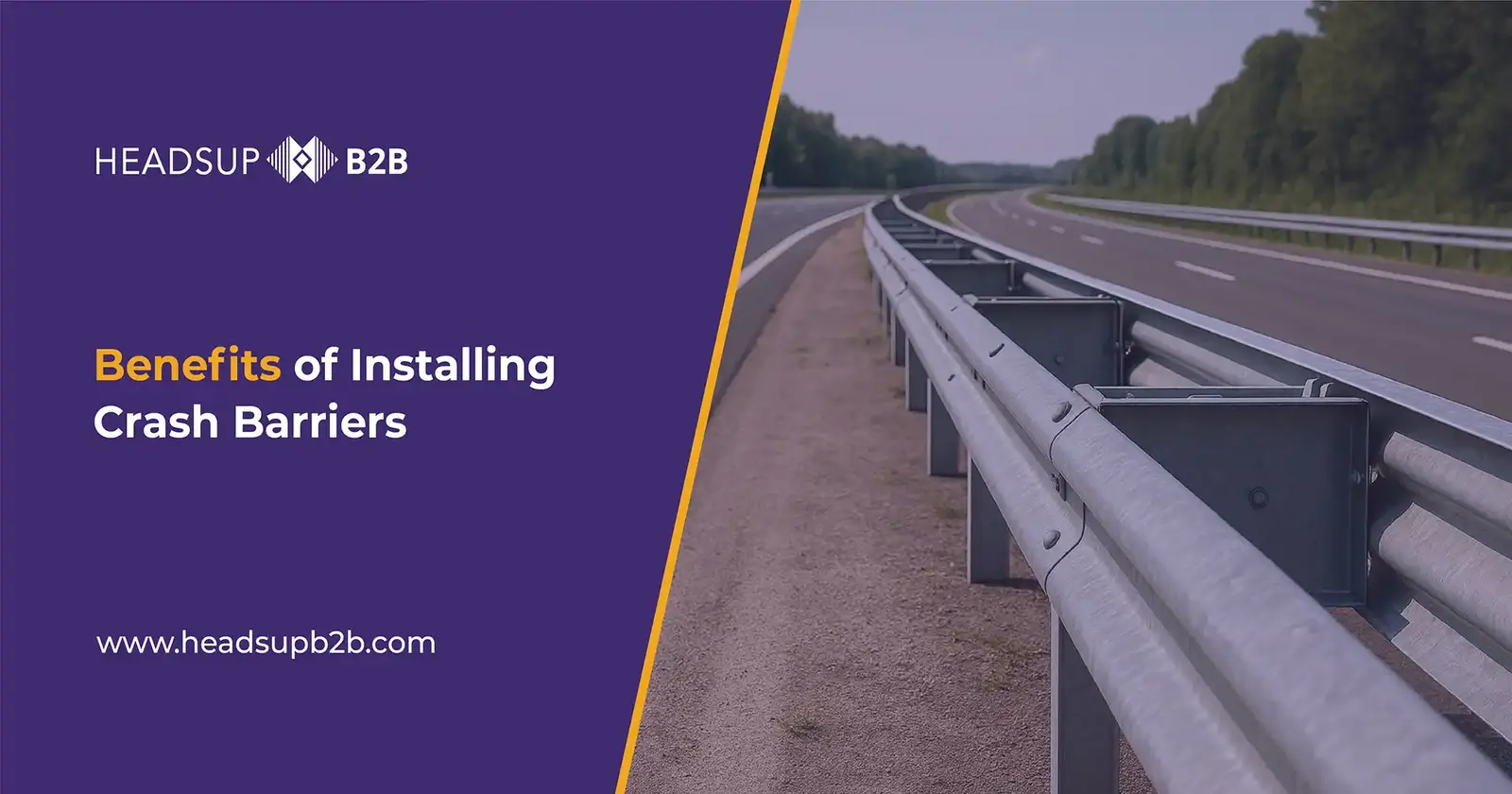
- Metal Barriers: Made of steel, these barriers are strong and durable, offering high resistance to impacts.
- Concrete Barriers: These heavy-duty barriers are often used in areas where higher crash prevention is needed. They are particularly effective in preventing vehicles from crossing into oncoming traffic lanes.
- Wire Rope Barriers: These are flexible barriers made of steel wire ropes. They are more forgiving than concrete and are commonly used in highways and rural roads.
- Water-Filled Barriers: Typically used in temporary settings, such as construction zones or event spaces, these barriers absorb impact through water-filled cells.
How Crash Barriers Improve Road Safety?
The primary goal of crash barriers is to enhance road safety by preventing vehicles from veering off the road and causing severe accidents. When installed correctly, these barriers help to:
- Reduce Accidents: By preventing cars from straying off course, crash barriers reduce the frequency of dangerous accidents.
- Minimize the Impact of Crashes: In the event of an accident, barriers absorb and redirect the force of the collision, reducing the severity of injuries.
- Protect Pedestrians and Drivers: By keeping vehicles within designated lanes, crash barriers help ensure the safety of pedestrians and other road users.
Benefits of Installing Crash Barriers on Highways
Highways are often high-speed roads where the risk of severe accidents is greater. Installing crash barriers along highways provides the following benefits:
- Increased Safety: They keep vehicles from crossing into oncoming traffic lanes, reducing the risk of head-on collisions.
- Preventing Vehicle Rollovers: High-speed impacts often lead to vehicles rolling over. Crash barriers help to prevent this by keeping vehicles upright.
- Keeping Vehicles Within Lanes: Barriers help ensure vehicles stay within their designated lanes, reducing the risk of accidents from lane departure.
Crash Barriers in Urban Areas: Enhancing Safety
In urban environments, traffic congestion and pedestrian movement create a different set of risks. Here’s how crash barriers contribute:
- Impact on City Traffic Flow: Crash barriers help manage traffic flow by reducing sudden lane changes and preventing collisions at busy intersections.
- Reducing Pedestrian Injuries: By protecting pedestrian walkways from traffic accidents, crash barriers reduce the likelihood of pedestrians being struck by vehicles.
- Urban Construction Projects: Crash barriers are also crucial in construction zones, where heavy machinery and high traffic volume can create hazardous conditions.
Environmental Impact of Crash Barriers
Modern crash barriers are designed with environmental considerations in mind. Many barriers are now made from eco-friendly materials that minimize environmental impact. Additionally, barrier designs are evolving to blend with their surroundings, reducing visual clutter and maintaining the aesthetic quality of urban areas.
Cost-Benefit Analysis: Are Crash Barriers Worth the Investment?
While the installation of crash barriers comes with initial costs, the long-term benefits far outweigh the expenses. Some of the key advantages include:
- Reduced Accident Costs: Fewer accidents translate to lower healthcare, insurance, and property damage expenses.
- Long-Term Savings: Properly installed and maintained barriers can significantly reduce the costs of road repairs and vehicle damage from collisions.
Innovative Developments in Crash Barrier Technology
As technology continues to advance, so does the design of crash barriers. The future promises:
- Smart Barriers: These barriers use sensors to detect collisions and alert authorities in real-time, improving emergency response times.
- Integration with Autonomous Vehicles: With the rise of self-driving cars, crash barriers are evolving to accommodate these vehicles’ specific needs and ensure their safety.
Crash Barriers in Other Applications
Beyond roads, crash barriers have found applications in other areas:
- Airports: Barriers are used to protect runways and aircraft parking areas.
- Sports Arenas: Used to protect spectators and players from fast-moving vehicles.
- Industrial Sites: Barriers help protect workers and machinery from potential accidents.
Public Awareness and Education on Crash Barriers
Raising awareness about the importance of crash barriers is crucial for road safety. Educational campaigns can help people understand their role and how they contribute to safer driving practices.
Conclusion
Crash barriers are a critical element in maintaining road safety. Their ability to prevent accidents, minimize the severity of crashes, and protect both drivers and pedestrians makes them invaluable. With ongoing advancements in technology and materials, crash barriers will continue to evolve, further enhancing their effectiveness and ensuring safer roads for everyone.
Frequently Asked Questions
Share
