


























Industrial Accident Prevention Strategies and Solutions






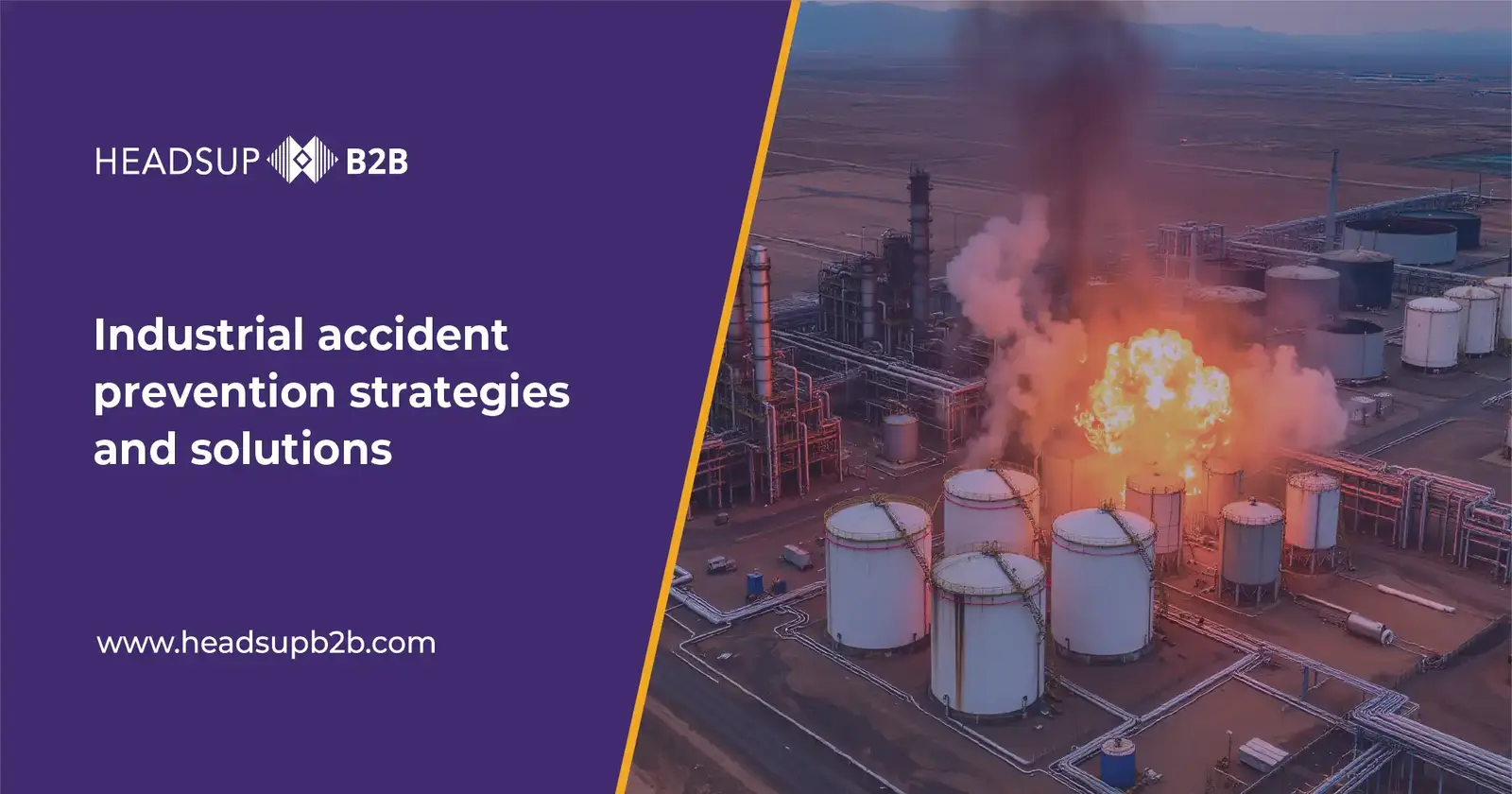
Industrial accidents, whether in manufacturing, construction, or other sectors, can have serious consequences, ranging from injuries and fatalities to environmental damage and financial loss. Preventing these accidents is essential not only for the safety of employees but also for the long-term success and sustainability of a company. Here, we explore the most effective industrial accident prevention strategies and solutions that organizations can implement to mitigate risks and enhance workplace safety.
1. Comprehensive Risk Assessment
A solid foundation for preventing industrial accidents is the risk assessment process. Conducting thorough risk assessments helps identify potential hazards, from machine malfunctions to chemical spills, and assess the likelihood and severity of each hazard.
-
Identify potential hazards: Analyze all aspects of operations, including equipment, chemicals, environmental conditions, and employee activities.
-
Evaluate risks: Determine the probability and impact of each identified hazard. This allows for prioritization based on the most likely or dangerous threats.
-
Implement control measures: Once risks are identified, the next step is to establish control measures to mitigate or eliminate hazards. This may include engineering controls, safety protocols, or changes in operational practices.
Regularly updating risk assessments is crucial, especially when introducing new equipment or processes into the workplace.
2. Employee Training and Awareness
One of the most effective ways to prevent industrial accidents is to ensure employees are adequately trained. Training should cover various safety protocols, hazard recognition, and emergency response procedures.
-
Safety induction programs: New employees should undergo an introductory safety training program to familiarize them with company policies and emergency procedures.
-
Ongoing safety education: Regular workshops, drills, and refreshers on workplace safety will help employees stay alert and up-to-date with the latest safety practices.
-
Hazard identification: Encourage employees to report unsafe conditions or behaviors and make them part of a proactive safety culture.
-
Specialized training: For high-risk tasks, provide specialized training for employees working with heavy machinery, chemicals, or electrical systems.
An educated workforce is a critical component of industrial accident prevention.
3. Safety Equipment and Personal Protective Equipment (PPE)
Ensuring that employees are equipped with proper Personal Protective Equipment (PPE) and other safety gear is essential in preventing injuries. The type of PPE required will vary depending on the specific risks of the workplace.
-
Helmets, gloves, and safety goggles: For employees working in construction or manufacturing settings, these items are essential for preventing injuries from falling objects or flying debris.
-
Hearing protection: In noisy industrial environments, earplugs or earmuffs are vital to protect workers from hearing loss.
-
Respirators and protective clothing: In environments with exposure to hazardous chemicals or gases, appropriate respiratory protection and chemical-resistant clothing are necessary.
-
Harnesses and fall protection: For workers at heights, fall protection equipment such as harnesses, lanyards, and guardrails should be in place.
Ensuring that PPE is used consistently and maintained is an essential part of accident prevention.
4. Maintenance and Equipment Inspections
Faulty or poorly maintained equipment is a leading cause of industrial accidents. Regular maintenance and inspections are critical for keeping machinery, tools, and equipment in safe working condition.
-
Routine inspections: Develop a schedule for inspecting equipment, machinery, and tools. This should include checking for wear and tear, identifying potential malfunctions, and addressing any issues promptly.
-
Preventive maintenance programs: Establish a proactive maintenance plan that includes scheduled servicing and replacement of components to prevent breakdowns and malfunctions.
-
Calibration of machinery: Ensure that all equipment, especially machines that handle critical tasks, are properly calibrated and functioning within safe operating limits.
By staying on top of equipment maintenance, businesses can avoid many accidents caused by machinery failure.
5. Implementing Safety Protocols and Procedures
Every industrial workplace should have clearly defined safety protocols and procedures to follow in various scenarios. These protocols guide workers in how to handle routine tasks as well as emergencies.
-
Standard Operating Procedures (SOPs): Create detailed SOPs for all tasks, especially those involving hazardous materials or high-risk operations. SOPs should outline step-by-step processes for safe task completion and emergency steps.
-
Emergency response plans: Develop comprehensive emergency response procedures for various scenarios, such as fires, chemical spills, or electrical failures. These plans should be communicated to all employees and practiced regularly through drills.
-
Clear signage and warnings: Use visible safety signs and labels to indicate potential hazards. This includes caution signs for machinery, fire exits, or chemical exposure areas.
By creating a culture where safety protocols are respected and followed, industrial accidents can be significantly reduced.
6. Safety Audits and Inspections
Regular safety audits and inspections are vital for identifying and addressing potential hazards before they lead to accidents.
-
Internal audits: Conduct routine internal audits to ensure compliance with safety regulations and identify areas for improvement in safety protocols.
-
Third-party inspections: Occasionally, it can be beneficial to hire external safety consultants or inspectors to provide an unbiased evaluation of workplace safety.
-
Continuous improvement: Use the results of audits and inspections to make adjustments to safety procedures and equipment, fostering a continuous improvement cycle in safety practices.
Regular checks ensure that safety measures remain effective and that any risks are promptly mitigated.
7. Promote a Safety Culture
Creating a safety-first culture is fundamental to reducing industrial accidents. This involves the commitment of both leadership and employees to prioritize safety in all aspects of the workplace.
-
Leadership commitment: Management must demonstrate a commitment to safety by allocating resources, enforcing safety policies, and leading by example.
-
Employee involvement: Employees should feel empowered to speak up about safety concerns and participate in safety programs and initiatives.
-
Positive reinforcement: Encourage safe behavior by recognizing and rewarding employees who follow safety protocols and contribute to maintaining a safe working environment.
A strong safety culture motivates employees to take ownership of their well-being and work together to prevent accidents.
8. Use of Technology and Automation
The integration of technology and automation can significantly enhance accident prevention efforts in industrial settings.
-
Safety sensors and alarms: Use technology to monitor equipment performance and detect potential hazards. For example, sensors can detect overheating, vibrations, or pressure anomalies in machinery, triggering automatic shutdowns or alerts.
-
Wearable safety technology: Wearables, such as smart helmets or vests equipped with sensors, can track workers’ movements and environmental conditions, alerting them to dangers such as gas leaks or falling objects.
-
Automated systems: Replacing manual labor with automation can reduce human error and minimize the risk of accidents in high-risk environments, such as assembly lines.
Adopting modern technology and automation is a step toward a safer, more efficient workplace.
9. Adherence to Regulatory Standards
Compliance with local, national, and international safety standards is essential for preventing industrial accidents. Regulatory bodies, such as the Occupational Safety and Health Administration (OSHA) in the U.S., set forth guidelines to ensure workplace safety.
-
Regular compliance checks: Ensure that all safety regulations are being followed and that any updates to regulations are incorporated into workplace practices.
-
Documentation and reporting: Maintain records of safety training, inspections, and accident reports to ensure compliance and continuous improvement in safety efforts.
Adhering to regulatory standards not only helps prevent accidents but also ensures legal protection for the company.
10. Continuous Monitoring and Evaluation
Industrial accident prevention doesn’t end with the implementation of safety measures. Continuous monitoring and evaluation help to ensure that the systems in place remain effective and identify areas that need improvement.
-
Data collection: Track accident data, near misses, and safety metrics to analyze trends and improve safety measures.
-
Feedback systems: Encourage employees to provide feedback on safety measures and suggest improvements.
-
Regular reviews: Schedule regular reviews of safety protocols, training programs, and risk assessments to ensure they remain relevant and effective.
Continuous monitoring is crucial for adapting to new challenges and improving overall safety.
Conclusion
By integrating a combination of risk assessment, employee training, safety equipment, and modern technology, industrial accident prevention can be significantly improved. Creating a safety-first culture, adhering to regulations, and continuously evaluating safety practices ensures that the workplace remains safe for all employees. These strategies not only reduce accidents but also contribute to a more efficient, productive, and sustainable industrial operation.
Share
