


























Renewable Energy Solutions: A Complete Guide for Homes and Businesses






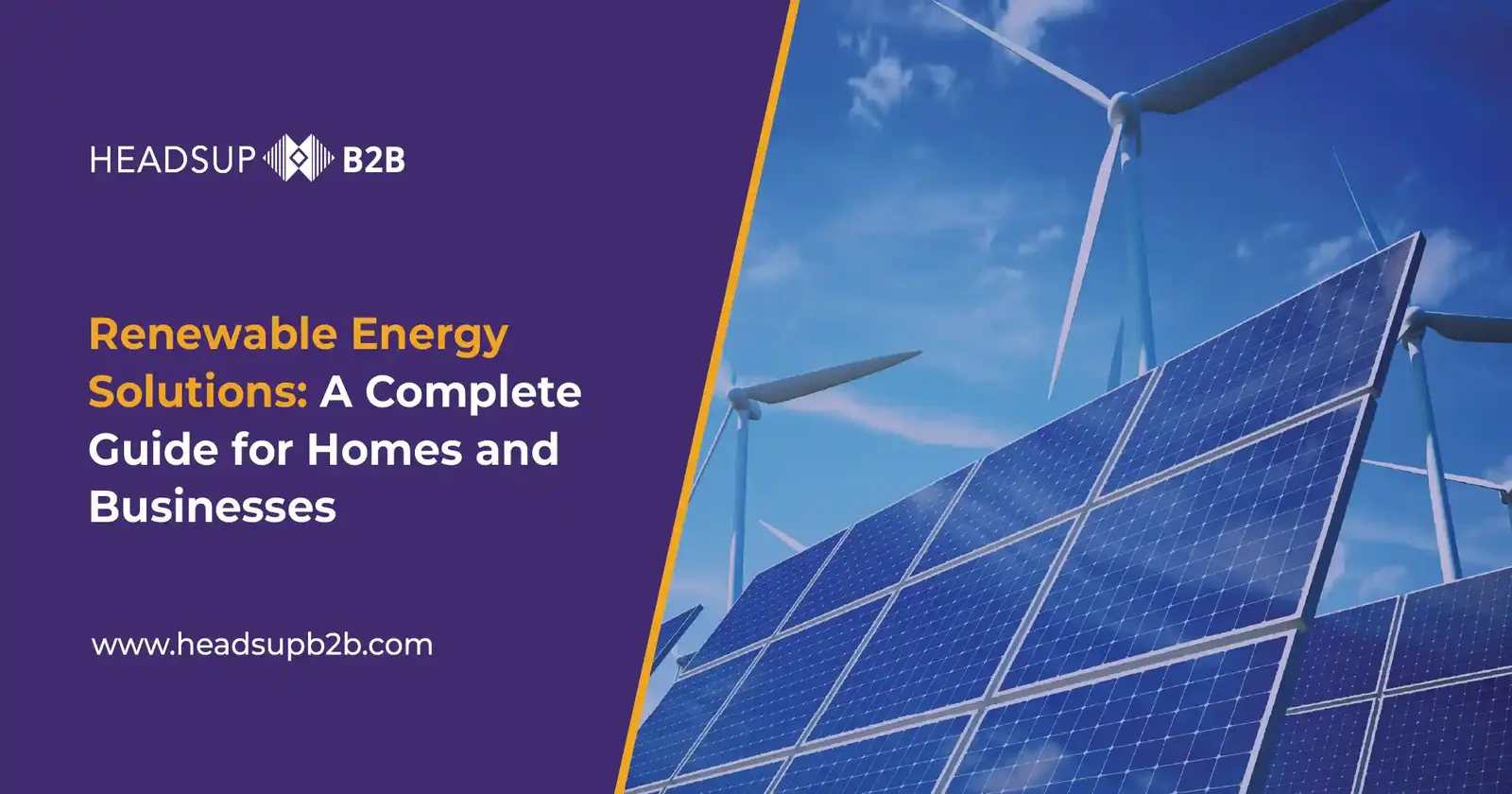
When people hear the phrase renewable energy, they usually think of solar panels on rooftops or wind turbines spinning across open landscapes. At its core, renewable energy refers to electricity generated from natural sources that replenish continuously. These sources include sunlight, wind, water flow, geothermal heat, and organic matter. Unlike fossil fuels such as coal or oil, these resources are not depleted when used. Instead, they regenerate naturally through environmental processes. (carboncollective.co)
The concept might sound simple, but the implications are massive. Energy has always been the backbone of modern life. Every home appliance, office building, and factory relies on power to function. For decades, fossil fuels dominated the energy sector because they were easy to extract and transport. However, their environmental impact—particularly greenhouse gas emissions—has pushed governments and industries to search for cleaner alternatives.
Solar energy provides a solution that addresses both energy demand and environmental responsibility. Systems powered by sunlight, wind, or water produce electricity with little or no operational emissions. This dramatically reduces pollution and protects natural ecosystems. (pes.stonewallco.com)
Another compelling factor is accessibility. Solar panels, for example, can be installed on residential rooftops, office complexes, warehouses, and even parking lots. Wind turbines can operate on farmland or offshore locations. The result is an energy system that is far more distributed than traditional power generation.
For homeowners and businesses, renewable energy represents something more than sustainability. It means energy independence, lower utility bills, and protection against rising electricity costs. With technology improving rapidly and installation costs decreasing every year, renewable solutions have shifted from a futuristic idea to a practical choice.
Why the World Is Shifting Toward Renewable Power
The global shift toward renewable energy is not happening by accident. It is driven by a combination of environmental urgency, technological innovation, and economic practicality. Electricity demand continues to rise worldwide as economies expand, populations grow, and industries become increasingly electrified. According to energy research projections, global electricity demand is expected to grow by at least 2.8% annually through 2030. (World Resources Institute)
At the same time, fossil fuels face growing criticism due to their environmental impact. Burning coal, oil, and natural gas releases carbon dioxide and other pollutants into the atmosphere, contributing to climate change and poor air quality. Renewable energy, on the other hand, produces electricity with minimal emissions during operation.
The economic argument is also compelling. Renewable technologies have become significantly cheaper over the past decade. Solar photovoltaic costs have dropped dramatically, while wind energy generation costs continue to decline due to improved turbine design and manufacturing efficiencies. (IRENA)
Another major driver is job creation. Studies from global organizations indicate that renewable energy industries generate three times more jobs than fossil fuel sectors. (United Nations) This includes roles in manufacturing, installation, maintenance, engineering, and research.
Energy security is another factor. Countries relying heavily on imported fossil fuels face economic and political vulnerabilities. Renewable energy allows nations to generate power domestically using local resources such as sunlight, wind, and water.
For homeowners and businesses, the shift toward renewable energy translates into a practical opportunity. Instead of depending entirely on centralized power grids, individuals and organizations can produce their own electricity. That ability fundamentally changes how energy is produced, distributed, and consumed.
Global Renewable Energy Trends
Renewable energy is no longer a niche sector. It has become one of the fastest-growing segments of the global energy market. Clean energy sources now account for more than 40% of global electricity generation, driven primarily by the expansion of solar and wind technologies. (Ember Energy)
Investment trends show the scale of this transformation. In 2024 alone, global investment in renewable energy reached $728 billion, reflecting continued growth despite economic challenges. (REN21) Governments, corporations, and financial institutions increasingly recognize renewable energy as a long-term strategic investment.
The pace of expansion is expected to accelerate even further. Energy analysts project that global renewable power capacity could increase by nearly 4,600 gigawatts between 2025 and 2030, effectively doubling the growth seen in the previous five years. (IEA)
Solar energy is expected to lead this surge. Falling panel prices, streamlined permitting processes, and widespread public acceptance have made solar installations easier than ever. From residential rooftops to massive utility-scale solar farms, photovoltaic systems are becoming a standard feature of the energy infrastructure.
Wind energy is also expanding rapidly, particularly in regions with strong coastal winds. Offshore wind farms are being developed across Europe, Asia, and North America, capable of generating electricity for millions of homes.
These global trends illustrate a critical shift. Renewable energy is no longer an experimental alternative; it is becoming the dominant force shaping the future of electricity generation.
Renewable Energy Adoption in Homes and Businesses
One of the most significant developments in the renewable sector is the rise of distributed energy systems. Instead of relying solely on centralized power plants, electricity can now be generated closer to where it is consumed.
For households, rooftop solar installations have become the most popular renewable solution. Small solar systems typically range between 1 kW and 10 kW, depending on household electricity consumption. These systems allow homeowners to generate a substantial portion of their electricity while reducing dependence on utility companies.
Businesses are also adopting renewable energy at an unprecedented rate. Large corporations are installing solar panels on warehouse roofs, manufacturing plants, and office buildings. Retail chains and technology companies are investing heavily in renewable power purchase agreements to meet sustainability goals.
Commercial solar installations can be enormous in scale. Industrial solar farms often produce hundreds of megawatts of electricity, supplying energy not only for internal operations but also for surrounding communities.
Another emerging trend is the integration of renewable energy with electric vehicle infrastructure. Homes equipped with solar panels can charge electric cars directly from renewable electricity, reducing both fuel costs and carbon emissions.
The rapid adoption of renewable systems in homes and businesses signals a transformation in how electricity is produced and consumed. Instead of a one-way flow from power plants to consumers, energy systems are evolving into interactive networks where individuals and companies play an active role in generation.
Types of Renewable Energy Sources
Solar Energy
Solar energy is arguably the most accessible renewable energy source available today. It harnesses sunlight through photovoltaic panels that convert solar radiation into electricity. Solar installations can range from small rooftop systems to massive solar farms covering hundreds of acres.
One of the main advantages of solar energy is its scalability. A homeowner can install a small system that powers a few appliances, while a corporation can build large solar arrays capable of powering entire industrial facilities. Solar technology has also become increasingly affordable, making it one of the most attractive options for renewable adoption.
Wind Energy
Wind energy relies on turbines that convert kinetic energy from moving air into electricity. Modern wind turbines are highly efficient and capable of producing significant amounts of power. Large turbines can generate electricity for thousands of homes.
Wind farms are typically located in open areas such as coastal regions, plains, and offshore locations where wind speeds remain consistent. While wind energy is more common at the utility scale, smaller turbines are sometimes installed on farms or rural properties.
Hydropower
Hydropower generates electricity by using flowing water to spin turbines. It remains one of the oldest and most reliable renewable energy sources. Large dams produce massive amounts of electricity for national grids, while smaller hydro systems can power rural communities.
Hydropower is known for its high efficiency. Some hydroelectric plants convert more than 90% of the water’s energy into electricity, making it one of the most efficient energy technologies available. (SunSave Energy)
Geothermal Energy
Geothermal energy taps into heat stored beneath the Earth’s surface. This heat can generate electricity or provide heating and cooling for buildings. Geothermal systems are particularly effective in regions with significant volcanic or tectonic activity.
For homeowners, geothermal heat pumps offer an efficient way to regulate indoor temperatures by transferring heat between the building and the ground.
Biomass Energy
Biomass energy is produced from organic materials such as agricultural waste, wood, and plant matter. These materials can be burned directly for heat or converted into biofuels for electricity generation.
Although biomass is renewable, its environmental impact depends on how resources are harvested and processed. When managed responsibly, biomass can provide a reliable energy source while reducing waste.
Renewable Energy Solutions for Businesses
Commercial Solar Installations
Businesses often have large roof spaces that are ideal for solar panel installations. Commercial solar systems reduce operating costs and help companies meet sustainability goals.
Many corporations are also signing long-term renewable energy contracts to power their operations with clean electricity.
Industrial Wind and Hybrid Systems
Large companies sometimes combine multiple renewable technologies to ensure consistent power generation. For example, wind turbines can produce electricity during cloudy days when solar output is lower.
Hybrid systems that combine solar, wind, and battery storage are becoming increasingly common in industrial facilities.
Renewable Microgrids
A microgrid is a localized energy system that can operate independently from the main electricity grid. Businesses use microgrids to ensure uninterrupted power during outages.
Microgrids often combine solar panels, wind turbines, batteries, and backup generators to create a reliable and flexible energy supply.
Cost Comparison and Economic Benefits
Renewable Energy vs Fossil Fuels
One of the biggest misconceptions about renewable energy is that it is expensive. In reality, renewable technologies have become highly competitive with fossil fuels.
| Energy Source | Average Cost per kWh | Key Advantage |
| Solar | ~\(0.049 | Low installation cost |
| Onshore Wind | ~\)0.033 | High efficiency |
| Hydropower | ~\(0.05 | Reliable power |
| Fossil Fuel Plants | \)0.05–$0.15 | Established infrastructure |
Renewable energy can also reduce electricity prices by up to 87% in some scenarios, making it economically attractive for both households and businesses. (carboncollective.co)
Environmental Impact of Renewable Energy
Renewable energy plays a critical role in reducing pollution and combating climate change. Unlike fossil fuels, renewable systems generate electricity without releasing harmful pollutants into the air.
Cleaner air improves public health, reduces respiratory illnesses, and protects ecosystems. Renewable systems also consume less water compared to conventional power plants, making them environmentally sustainable.
Challenges of Renewable Energy Adoption
Despite its advantages, renewable energy still faces several challenges. One major issue is intermittency. Solar panels only produce electricity during daylight hours, and wind turbines depend on wind availability.
Energy storage systems and smart grid technologies are helping address these challenges. As battery technology continues to improve, renewable energy will become even more reliable.
Infrastructure is another challenge. Upgrading electrical grids to handle distributed renewable energy requires significant investment and planning.
Future of Renewable Energy Technology
The future of renewable energy looks promising. Innovations in solar panel efficiency, wind turbine design, and battery storage continue to improve performance while reducing costs.
Energy experts expect renewable technologies to dominate electricity generation in the coming decades. With continued investment and technological advancement, the transition toward cleaner energy systems will accelerate.
Homes, businesses, and entire cities are likely to operate on integrated renewable systems that combine solar power, wind energy, battery storage, and electric transportation.
Conclusion
Renewable energy is reshaping how the world produces and consumes electricity. From rooftop solar panels to large-scale wind farms, clean energy technologies are becoming essential components of modern infrastructure. They offer environmental benefits, economic savings, and greater energy independence.
For homeowners, renewable systems reduce electricity bills and increase property value. For businesses, they improve operational efficiency and strengthen sustainability commitments. As technology continues to advance and costs decline, renewable energy solutions will become even more accessible.
The transition to renewable power is no longer a distant vision. It is already happening in homes, businesses, and communities across the globe.
Frequently Asked Questions
Share
