


























Top Renewable Energy Solutions Transforming the Power Industry






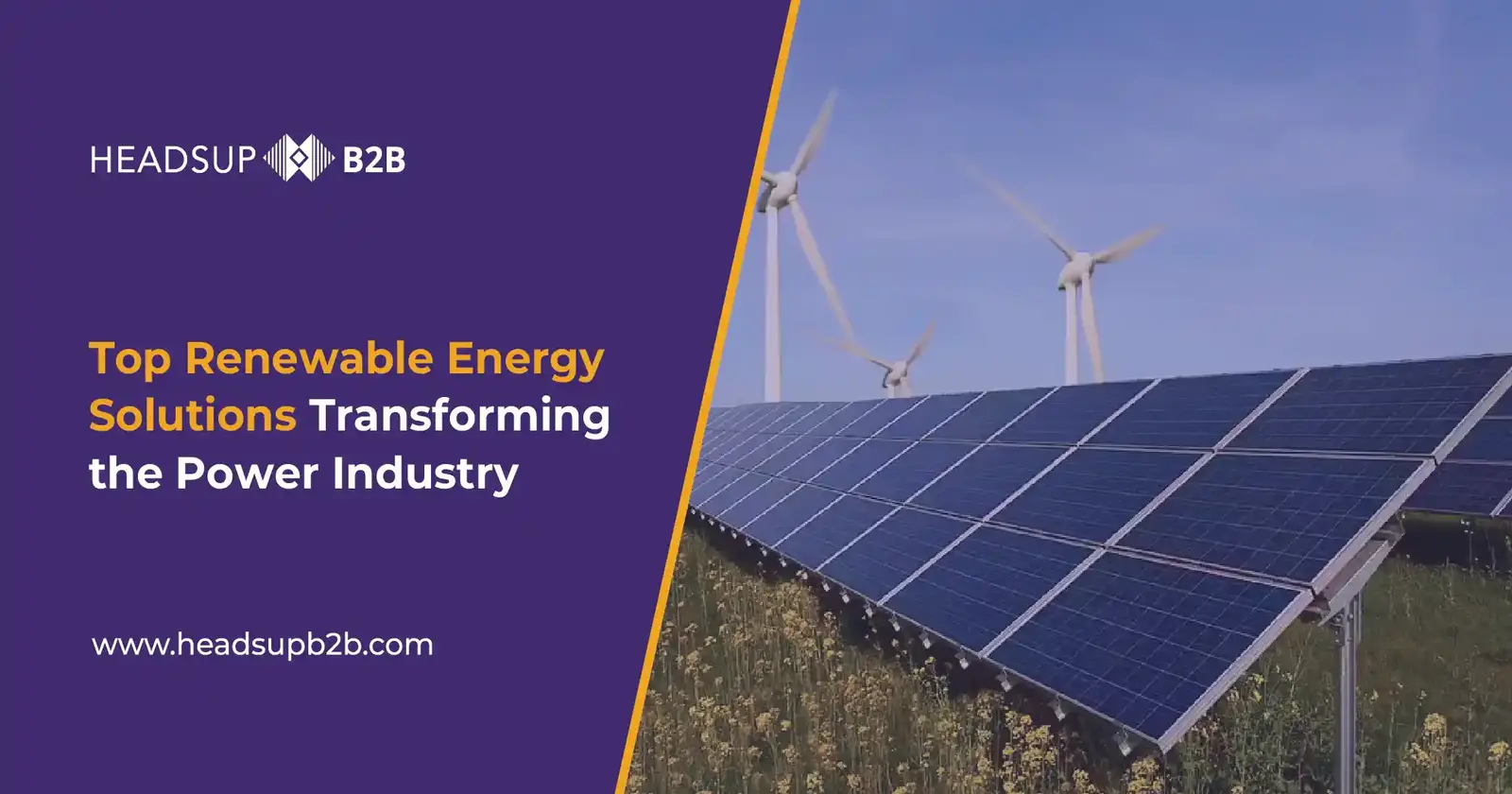
The global energy sector is experiencing one of the biggest transformations in modern history. For more than a century, electricity generation depended heavily on fossil fuels such as coal, oil, and natural gas. While these sources powered industrial growth and technological advancement, they also brought serious environmental challenges including air pollution, rising carbon emissions, and climate instability. As a result, governments, businesses, and energy companies across the world are shifting toward cleaner and more sustainable power generation methods.
Renewable energy has become the driving force behind this transformation. Unlike fossil fuels, renewable energy sources are naturally replenished and produce little to no greenhouse gas emissions during electricity generation. This makes them an essential component of global efforts to reduce environmental impact while still meeting growing energy demand. Today, renewable energy technologies are not only helping protect the environment but also reshaping the economics of power production.
The rapid advancement of technology has made renewable energy more efficient and affordable than ever before. Solar panels have become significantly cheaper over the past decade, wind turbines now generate far more electricity than earlier designs, and advanced battery systems are improving energy storage capabilities. These innovations are allowing renewable energy to compete directly with traditional power sources.
Across the world, power companies are investing billions of dollars in renewable energy infrastructure. Massive solar farms are being built in sunny regions, offshore wind projects are expanding along coastlines, and new technologies such as hydrogen energy and smart grids are emerging to support the clean energy transition. The result is a power industry that is gradually shifting from centralized fossil-fuel plants to decentralized, technology-driven renewable systems.
Understanding the key renewable energy solutions driving this transformation is essential for anyone interested in the future of power generation. From solar and wind to geothermal and energy storage systems, several technologies are playing a critical role in shaping the next generation of energy infrastructure.
Solar Energy: The Fastest Growing Renewable Power Source
Solar energy has become the most widely adopted renewable energy technology in the world. It works by capturing sunlight through photovoltaic panels and converting it directly into electricity. Because sunlight is abundant and widely available, solar energy can be deployed almost anywhere—from residential rooftops to massive utility-scale solar farms.
One of the biggest advantages of solar energy is its scalability. Small residential systems can power individual homes, while large solar plants can generate electricity for entire cities. This flexibility has helped solar power expand rapidly across both developed and developing countries. As panel efficiency improves and installation costs decrease, solar energy is becoming an increasingly attractive option for energy producers.
Another important factor driving solar adoption is its declining cost. Over the past decade, the cost of solar power generation has dropped dramatically due to improvements in manufacturing, supply chains, and panel technology. In many regions, solar energy is now one of the cheapest sources of electricity available.
Solar power also integrates well with modern energy systems. When paired with battery storage, solar panels can provide reliable electricity even after sunset. This combination allows homes, businesses, and utilities to reduce reliance on traditional power grids while improving energy security.
Large-scale solar farms are transforming the power industry by supplying clean electricity to national grids. Countries such as China, the United States, and India have built enormous solar facilities capable of generating hundreds of megawatts of electricity. These projects demonstrate the potential of solar energy to become a dominant force in global power production.
Wind Energy: Harnessing Natural Airflow for Electricity
Wind energy is another major renewable solution transforming the power industry. Wind turbines generate electricity by converting the kinetic energy of moving air into mechanical power, which then drives a generator. Modern wind turbines are highly efficient and capable of producing significant amounts of electricity.
Wind power is particularly effective in areas with consistent wind patterns such as coastal regions, open plains, and offshore locations. In these environments, large wind farms can generate massive quantities of electricity with minimal environmental impact.
One of the most exciting developments in the wind energy sector is the expansion of offshore wind farms. Offshore turbines benefit from stronger and more consistent winds compared to those on land, allowing them to produce higher levels of electricity. Several countries are investing heavily in offshore wind infrastructure, building massive projects capable of powering millions of homes.
Technological improvements have also enhanced wind turbine performance. Modern turbines are larger, more efficient, and equipped with advanced control systems that maximize energy production. Some of the newest turbines exceed 12 megawatts in capacity, making them among the most powerful electricity generators in the renewable sector.
Wind energy also offers significant economic benefits. Large wind projects create thousands of jobs in manufacturing, construction, maintenance, and engineering. As the wind industry continues to grow, it is becoming a key contributor to economic development in many regions.
With its high efficiency and ability to generate large amounts of electricity, wind power is expected to remain one of the most important renewable energy solutions shaping the future of the power industry.
Hydropower: The Backbone of Renewable Electricity
Hydropower is one of the oldest and most reliable renewable energy sources used for electricity generation. It works by using flowing or falling water to spin turbines connected to generators. Because water flow can be controlled through dams and reservoirs, hydropower provides a stable and predictable energy supply.
Many countries rely heavily on hydropower for their electricity needs. Large hydroelectric dams can generate enormous amounts of power while also supporting irrigation, flood control, and water management. These projects have played a major role in developing national energy infrastructures.
Hydropower is known for its high efficiency. In fact, hydroelectric plants can convert more than 90 percent of water energy into electricity, making them one of the most efficient power generation technologies available.
Small-scale hydropower systems are also becoming more popular. These systems use smaller rivers or water channels to generate electricity without the need for massive dams. Such installations are particularly useful in remote or rural areas where access to traditional power grids may be limited.
Although hydropower offers many benefits, it also requires careful environmental management. Large dams can impact ecosystems and local communities if not properly planned. As a result, modern hydropower projects focus on balancing energy production with environmental protection.
Despite these challenges, hydropower remains a vital component of the renewable energy mix and continues to play a key role in the transformation of the global power industry.
Geothermal Energy: Tapping Heat from the Earth
Geothermal energy harnesses heat stored beneath the Earth’s surface to produce electricity or provide direct heating. This renewable resource originates from natural processes occurring within the Earth’s core, where extremely high temperatures generate underground heat reservoirs.
Geothermal power plants use steam or hot water from underground reservoirs to spin turbines and generate electricity. Because geothermal resources are available continuously, they provide a stable and reliable energy supply that is not affected by weather conditions.
Geothermal energy is particularly useful in regions with strong geological activity such as volcanic areas or tectonic plate boundaries. Countries like Iceland, Indonesia, and the Philippines have successfully developed geothermal power plants that supply significant portions of their electricity.
Another advantage of geothermal energy is its low environmental impact. Geothermal plants occupy relatively small land areas and produce minimal emissions compared to fossil fuel power plants.
In addition to electricity generation, geothermal technology can be used for heating and cooling buildings through geothermal heat pumps. These systems transfer heat between buildings and the ground, improving energy efficiency and reducing electricity consumption.
As technology advances, geothermal energy is becoming more accessible in regions that were previously unable to utilize underground heat resources. Enhanced geothermal systems are currently being developed to expand the potential of this powerful renewable energy source.
Biomass Energy: Turning Organic Materials into Power
Biomass energy uses organic materials such as agricultural waste, wood, crop residues, and animal waste to produce electricity or heat. These materials contain stored chemical energy from the sun, which can be released through combustion or converted into biofuels.
Biomass power plants generate electricity by burning organic materials to produce steam that drives turbines. In some cases, biomass can also be converted into liquid fuels such as ethanol or biodiesel, which can be used in transportation and industrial processes.
One of the main advantages of biomass energy is its ability to utilize waste materials that would otherwise be discarded. By converting agricultural or forestry residues into energy, biomass systems reduce waste while producing useful electricity.
Biomass can also provide consistent power generation, unlike some renewable sources that depend on weather conditions. This makes it a valuable complement to solar and wind energy systems.
However, biomass energy must be managed carefully to ensure sustainability. Overharvesting organic materials can lead to environmental problems such as deforestation or soil degradation. Responsible resource management is therefore essential for maintaining the long-term benefits of biomass energy.
Energy Storage Systems: Supporting Renewable Power
As renewable energy becomes more widespread, energy storage systems are playing an increasingly important role in the power industry. Because some renewable sources like solar and wind depend on weather conditions, energy storage technologies help balance electricity supply and demand.
Battery storage systems allow excess electricity generated during periods of high production to be stored for later use. For example, solar panels produce the most electricity during the day, but demand often increases in the evening. Batteries help bridge this gap by storing daytime energy for nighttime consumption.
Large-scale battery projects are now being installed by power companies to stabilize electricity grids and support renewable energy integration. These systems improve grid reliability while reducing the need for backup fossil fuel power plants.
Advancements in battery technology are making storage systems more efficient and affordable. Lithium-ion batteries currently dominate the market, but researchers are developing new storage technologies such as solid-state batteries, flow batteries, and hydrogen storage systems.
Energy storage is widely considered one of the most important technologies enabling the renewable energy transition. Without effective storage solutions, renewable electricity would be much harder to integrate into modern power grids.
Smart Grids: Modernizing the Power Network
The rise of renewable energy has also led to the development of smart grid technology. Traditional electricity grids were designed for centralized power plants that send electricity in one direction to consumers. Renewable energy systems, however, often generate electricity in decentralized locations such as homes or local facilities.
Smart grids use advanced communication systems, sensors, and automation technology to manage electricity flows more efficiently. They allow utilities to monitor energy production, detect outages quickly, and balance supply and demand across the network.
One major advantage of smart grids is their ability to integrate multiple renewable energy sources simultaneously. Solar farms, wind turbines, battery storage systems, and even electric vehicles can all contribute electricity to the grid.
Smart grids also empower consumers by enabling them to participate in energy production. Homeowners with solar panels can send excess electricity back to the grid, creating a more interactive and flexible energy system.
As renewable energy adoption continues to increase, smart grid infrastructure will become essential for maintaining reliable electricity networks.
Conclusion
Renewable energy technologies are reshaping the global power industry at an unprecedented pace. Solar panels, wind turbines, hydropower plants, geothermal systems, and biomass facilities are replacing traditional fossil fuel power generation while helping reduce environmental impact.
Advances in energy storage and smart grid technology are making renewable energy more reliable and easier to integrate into existing electricity systems. As costs continue to fall and efficiency improves, renewable power solutions are becoming the foundation of the modern energy economy.
The transformation of the power industry is still underway, but the direction is clear. Clean, sustainable, and technology-driven energy systems are rapidly becoming the new standard for electricity generation worldwide.
Frequently Asked Questions
Share
