
























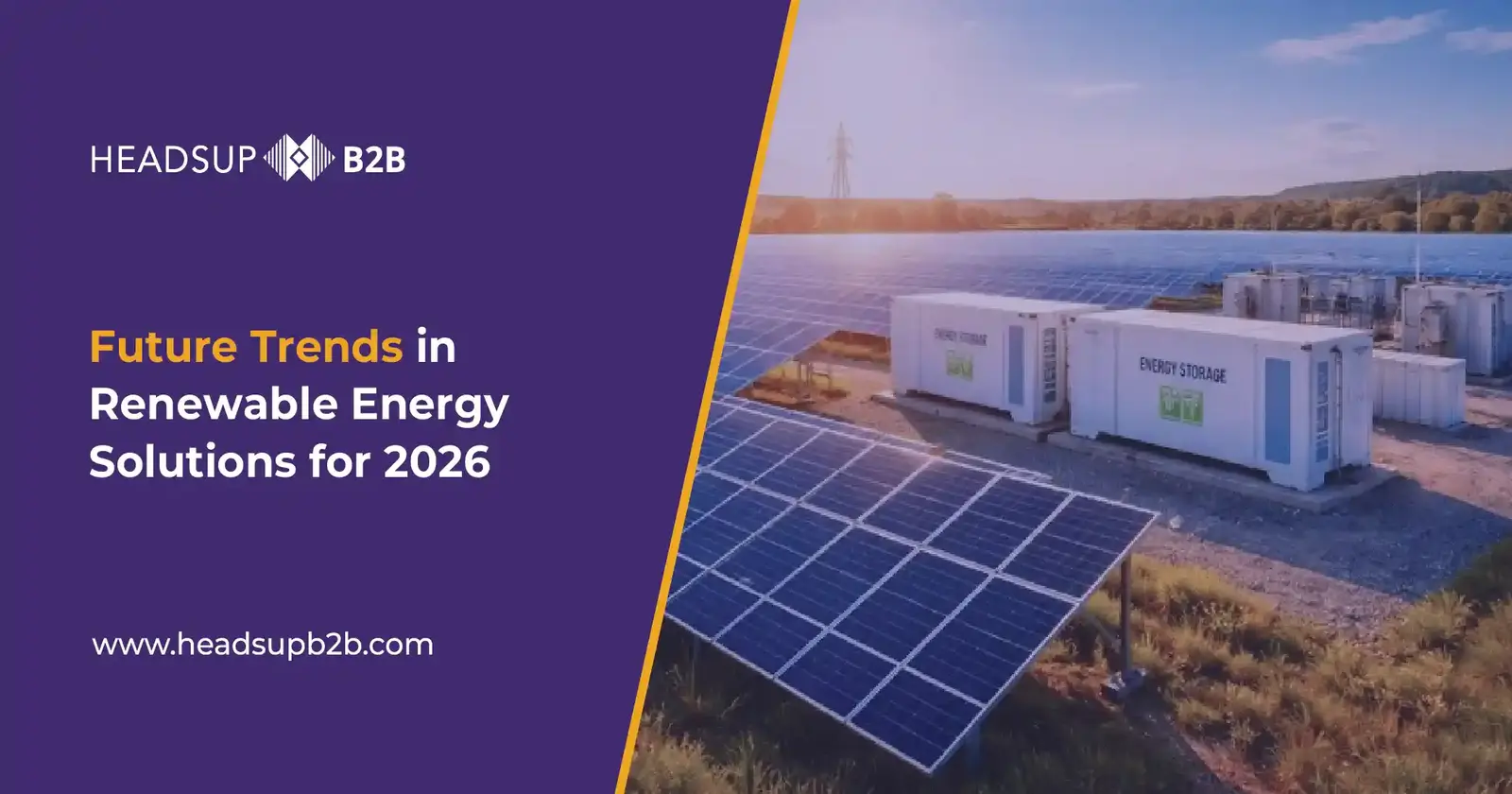
Future Trends in Renewable Energy Solutions for 2026






Global energy demand and transition pressure
Take a look at how energy consumption is evolving globally, and one thing becomes clear: demand isn’t slowing down. Cities are expanding, industries are scaling, and technology is becoming more energy-intensive by the day. By 2026, the pressure on energy systems will be significantly higher than what we see today. But here’s the catch—traditional energy systems are struggling to keep up without creating environmental damage.
That’s why renewable energy is stepping into the spotlight. It’s not just an alternative anymore; it’s becoming a necessity. Governments, businesses, and even individual consumers are realizing that continuing with fossil fuels isn’t sustainable in the long run. The shift is happening because it has to happen, not just because it’s a trend.
Another factor driving this change is resilience. Energy systems need to be more flexible and capable of handling disruptions. Renewable energy, combined with smart technologies, offers exactly that. Instead of relying on a few centralized power plants, energy can be generated and managed across multiple points.
Policy push and investments
Policies and investments are accelerating the shift faster than ever. Governments across the world are setting aggressive targets for renewable energy adoption. Financial institutions are also redirecting funds toward clean energy projects.
In India, for example, the push toward renewable capacity expansion is massive, with ambitious targets that are reshaping the energy landscape. These investments are not just about building capacity; they’re about creating smarter, more efficient systems.
Private companies are also playing a major role. From tech giants to manufacturing firms, many are committing to renewable energy usage. This combined effort is creating momentum that will define the energy sector in 2026.
Rapid Growth of Solar Energy Technologies
High-efficiency solar panels
Solar energy continues to dominate the renewable space, and 2026 will see even more advanced technologies entering the market. One of the biggest trends is the development of high-efficiency solar panels.
These panels can generate more electricity from the same amount of sunlight, making them ideal for space-constrained areas like urban homes and commercial buildings. Innovations in materials and design are pushing efficiency levels higher than ever before.
This means homeowners and businesses can get more output without increasing installation size. It’s a simple improvement with a huge impact.
Building-integrated solar solutions
Solar technology is no longer limited to rooftops. In 2026, you’ll see more buildings integrating solar directly into their structure. Facades, windows, and even roofs will double as energy generators.
This approach solves the problem of space while also enhancing aesthetics. Instead of adding panels separately, energy generation becomes part of the building itself.
Breakthroughs in Energy Storage Systems
Next-gen battery technologies
Energy storage is one of the most critical areas of innovation. Without effective storage, renewable energy cannot reach its full potential. In 2026, battery technology will see major advancements.
New battery chemistries are being developed to improve capacity, lifespan, and safety. These improvements will make storage systems more affordable and reliable.
Long-duration storage solutions
Another major trend is long-duration energy storage. These systems can store energy for extended periods, sometimes even days.
This is crucial for balancing supply and demand, especially during periods of low generation. It also reduces dependency on backup fossil fuel systems.
Rise of Smart Grids and Decentralized Energy
Intelligent energy distribution
Smart grids are transforming how energy is distributed. Instead of a one-way flow, energy moves dynamically based on demand and supply.
This allows for better integration of renewable sources and improves overall efficiency.
Microgrids and local energy systems
Microgrids are gaining popularity as localized energy systems. They can operate independently or alongside the main grid.
This makes them ideal for improving energy resilience, especially in areas prone to outages.
Expansion of Electric Mobility Integration
EV charging powered by renewables
Electric vehicles are becoming more common, and their integration with renewable energy is a major trend for 2026.
Charging stations powered by solar or wind energy reduce the environmental impact of transportation.
Vehicle-to-grid systems
Vehicle-to-grid technology allows EVs to act as energy storage units. They can supply power back to the grid when needed.
This creates a more flexible and efficient energy ecosystem.
Green Hydrogen as an Emerging Energy Source
Hydrogen production advancements
Green hydrogen is gaining attention as a clean energy source. It is produced using renewable energy and has the potential to replace fossil fuels in various sectors.
Industrial and transport applications
Industries and heavy transport systems are exploring hydrogen as an alternative fuel. This could significantly reduce emissions in sectors that are difficult to electrify.
AI-Driven Energy Optimization
Predictive energy management
Advanced analytics is helping predict energy demand and optimize usage. This improves efficiency and reduces waste.
Automation in energy systems
Automation ensures that energy systems operate at peak efficiency without constant manual intervention.
Offshore and Urban Wind Energy Innovations
Floating wind farms
Floating wind farms are opening up new possibilities for energy generation. They can be installed in deeper waters where wind speeds are higher.
Micro wind solutions
Urban wind solutions are becoming more practical, allowing smaller installations in city environments.
Challenges That Will Shape the Future
Despite rapid progress, challenges remain. High costs, infrastructure limitations, and regulatory complexities can slow adoption.
Addressing these challenges will be critical for ensuring continued growth.
Conclusion
Renewable energy is entering a new phase of growth and innovation. By 2026, the focus will shift from adoption to optimization. Technologies will become smarter, more efficient, and better integrated into everyday life.
The future of energy isn’t just about generating power—it’s about managing it intelligently.
Frequently Asked Questions
Share
