


























Renewable Energy Solutions vs Traditional Energy: A Practical Comparison






What are renewable energy solutions
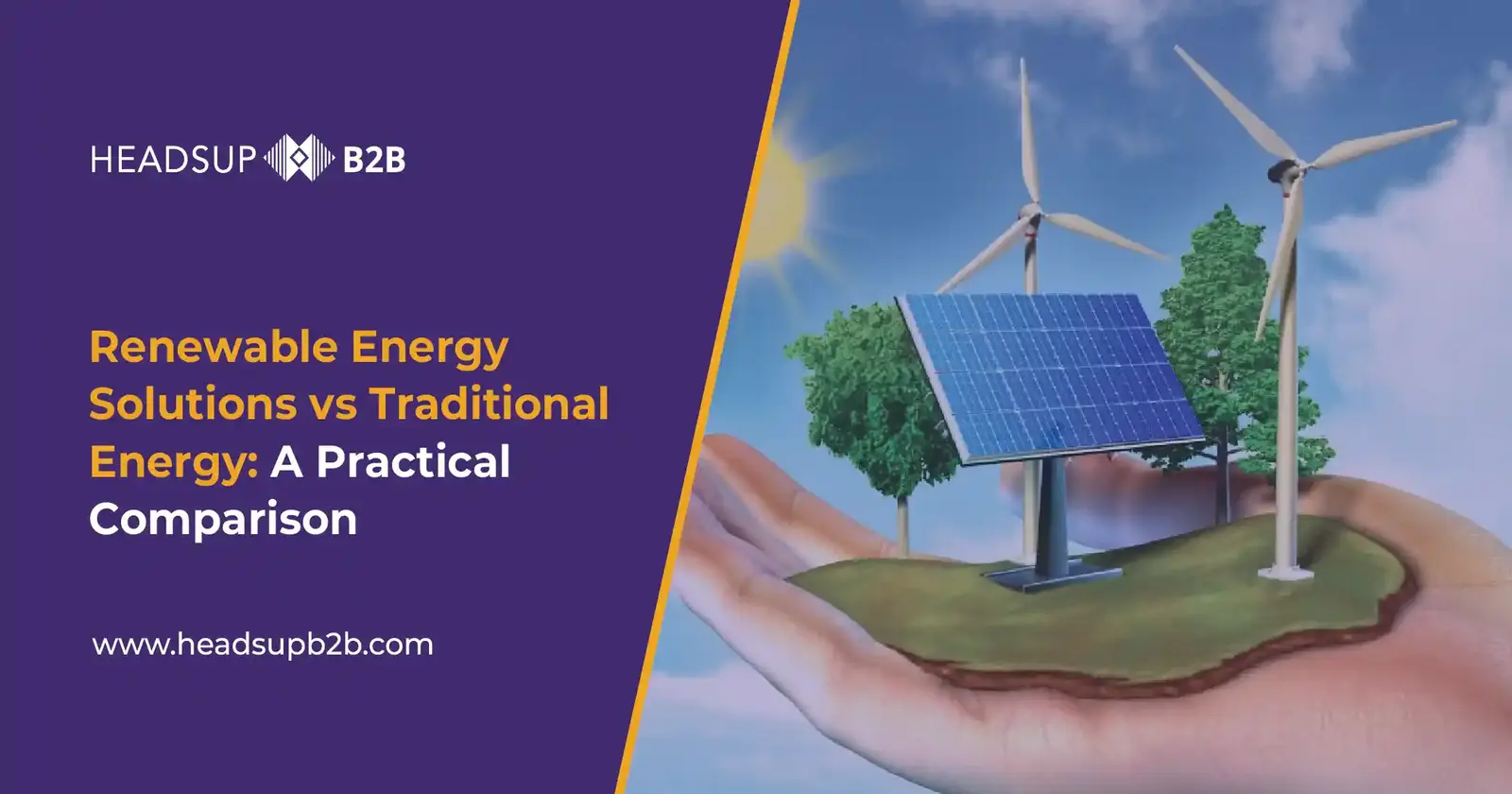
Let’s start with the basics. Renewable energy solutions are systems that generate power using natural resources that don’t run out—like sunlight, wind, water, and geothermal heat. These sources replenish themselves naturally, which means you’re not depleting anything when you use them.
Think of solar panels on a rooftop or wind turbines on a coastline. They’re tapping into energy that’s already there, available every day. The idea is simple: use what nature gives continuously instead of extracting limited resources.
What makes renewable energy even more interesting today is how it’s evolving. It’s no longer just about generating electricity. It’s about managing it smartly—storing excess power, distributing it efficiently, and integrating it into everyday systems like homes, transport, and buildings.
What is traditional energy
Traditional energy, on the other hand, mainly comes from fossil fuels like coal, oil, and natural gas. These resources have powered industries, cities, and economies for decades.
The system is straightforward. Fuel is extracted, burned, and converted into electricity. It’s reliable, consistent, and has been the backbone of global infrastructure.
But here’s the catch. These resources are finite. Once used, they’re gone. Plus, burning them releases greenhouse gases, which contributes to environmental issues. That’s why the conversation around energy is shifting.
Key Differences at a Glance
Source, sustainability, and availability
The most obvious difference lies in where the energy comes from. Renewable sources are naturally replenished, while traditional sources depend on extraction.
Renewables are sustainable by design. Sunlight and wind aren’t going anywhere. Fossil fuels, however, are limited and subject to depletion.
Availability is another factor. Traditional energy can be generated anytime as long as fuel is available. Renewable energy depends on natural conditions, which can vary.
Infrastructure and scalability
Traditional energy systems rely on large, centralized power plants and extensive grid networks. Scaling them often requires massive investments and time.
Renewable systems are more flexible. You can install solar panels on a single home or build large-scale solar farms. This scalability makes them suitable for both small and large applications.
Cost Comparison: Short-Term vs Long-Term
Initial investment differences
One of the biggest concerns people have is cost. Renewable energy systems usually require a higher upfront investment. Installing solar panels, batteries, or wind systems isn’t cheap.
Traditional energy, in contrast, has lower initial costs for consumers because infrastructure is already in place. You just connect to the grid and start using electricity.
Lifetime cost and ROI
Here’s where things shift. Over time, renewable energy often turns out to be more economical. Once installed, systems like solar panels have minimal operating costs.
Traditional energy involves continuous expenses—fuel costs, maintenance, and rising tariffs. So while it may seem cheaper initially, the long-term costs add up.
Environmental Impact and Sustainability
Carbon emissions and pollution
This is where the difference becomes hard to ignore. Traditional energy sources are major contributors to carbon emissions. Burning fossil fuels releases pollutants that affect air quality and climate.
Renewable energy produces little to no emissions during operation. Solar and wind systems generate electricity without burning anything, making them much cleaner.
Resource depletion vs renewability
Fossil fuels are finite. Once reserves are exhausted, they cannot be replaced within a human timescale. Renewable energy doesn’t have this limitation.
Using renewable sources is like living off interest rather than spending your savings. You’re using what’s continuously generated rather than exhausting a limited reserve.
Reliability and Energy Stability
Consistency of traditional energy
Traditional energy systems are known for their reliability. Power plants can generate electricity continuously, regardless of weather conditions.
This consistency has made them the default choice for decades, especially for industries that require uninterrupted power.
Variability in renewable energy
Renewable energy can be unpredictable. Solar depends on sunlight, and wind depends on wind conditions. This variability can affect energy supply.
However, advancements in storage and smart grids are addressing this issue. Batteries and hybrid systems help balance supply and demand, making renewable energy more reliable than before.
Efficiency and Technological Advancements
Efficiency of fossil fuel systems
Fossil fuel systems have been optimized over many years. They’re efficient at converting fuel into electricity, but they also waste a significant amount of energy as heat.
Smart renewable technologies
Renewable energy is rapidly improving. Modern solar panels are more efficient than ever, and smart systems optimize energy usage in real time.
Technology is also making integration easier. Homes and cities can now manage energy dynamically, reducing waste and improving performance.
Infrastructure and Maintenance
Complexity of traditional grids
Traditional energy infrastructure is complex and expensive to maintain. Large power plants, transmission lines, and distribution networks require constant upkeep.
Decentralized renewable systems
Renewable systems are more decentralized. Energy can be generated closer to where it’s used, reducing transmission losses and infrastructure dependency.
Maintenance is generally lower, especially for solar systems, which have fewer moving parts.
Real-World Use Cases and Applications
Residential and urban use
In homes and cities, renewable energy is becoming increasingly popular. Rooftop solar, battery storage, and smart systems are transforming how energy is consumed.
Traditional energy still plays a role, especially in areas where renewable adoption is limited.
Industrial and large-scale use
Industries often rely on traditional energy due to high and consistent power demands. However, large-scale renewable projects are gaining traction.
Hybrid systems combining renewable and traditional sources are becoming more common in industrial applications.
Challenges and Limitations of Both Systems
Both energy systems have their challenges. Renewable energy faces issues like initial cost, space requirements, and variability. Traditional energy deals with environmental concerns, resource depletion, and rising costs.
Understanding these limitations helps in making balanced decisions.
Future Outlook: Which One Will Lead
The future of energy isn’t about choosing one over the other. It’s about integration. Renewable energy is expected to play a larger role as technology improves and costs decrease.
Traditional energy will likely continue to exist, but its dominance is gradually declining. The focus is shifting toward cleaner and more efficient systems.
Conclusion
Renewable energy and traditional energy each have their strengths and limitations. Traditional systems offer reliability and established infrastructure, while renewable solutions provide sustainability and long-term cost benefits.
The real opportunity lies in combining the best of both. By integrating renewable energy into existing systems, we can create a more balanced and resilient energy future.
Frequently Asked Questions
Share
