


























Residential Renewable Energy Solutions Every Homeowner Should Know






Rising electricity costs and energy independence
If you’ve noticed your electricity bills creeping up every year, you’re not alone. Energy costs have been steadily increasing, and homeowners are starting to feel the pressure. Now think about this: what if your home could generate its own power instead of depending entirely on the grid? That idea is no longer futuristic—it’s already happening in many households.
Residential renewable energy solutions give homeowners a sense of control. Instead of being affected by fluctuating tariffs or outages, you create a more predictable and stable energy setup. It’s similar to owning a water tank during supply cuts. You’re not waiting on someone else—you’ve got your own system.
There’s also the advantage of long-term savings. While the initial setup cost can feel significant, many homeowners recover that investment over time through reduced electricity bills. In some cases, surplus energy can even be sold back to the grid, creating an additional income stream. That’s a shift from being just a consumer to becoming a producer.
Environmental impact and sustainability goals
Energy consumption at the household level may seem small, but collectively it adds up to a massive environmental footprint. Homes contribute significantly to carbon emissions through electricity use, heating, and cooling systems. Switching to renewable energy directly reduces this impact.
Many homeowners today are more conscious about sustainability. It’s not just about saving money; it’s about making responsible choices. Installing renewable energy systems is one of the most practical steps a household can take.
There’s also a growing sense of accountability. When you generate clean energy, you know exactly where your power comes from. It’s a simple yet powerful shift—from passive consumption to active participation in sustainability.
What Are Residential Renewable Energy Solutions
Key types of renewable energy systems for homes
Residential renewable energy solutions refer to systems that allow homes to generate, store, and manage energy using natural resources like sunlight, wind, and heat. These solutions are designed to reduce dependence on traditional electricity sources while improving efficiency.
The most common options include:
- Solar panels for electricity generation
- Solar water heaters for heating needs
- Battery storage systems
- Small wind turbines
- Hybrid systems combining multiple sources
Each of these solutions serves a specific purpose. Some focus on generation, others on storage, and some on optimizing usage. The real benefit comes when these systems work together.
How smart technology enhances efficiency
Adding renewable energy is just one part of the equation. Managing it efficiently is what makes the difference. That’s where smart technology comes in.
Modern systems use sensors and software to track energy production and consumption in real time. This allows homeowners to make better decisions. For example, running heavy appliances when solar generation is at its peak.
Automation also plays a role. Systems can adjust usage based on patterns, reducing waste without requiring constant manual input. It’s like having an intelligent assistant managing your home’s energy behind the scenes.
Solar Power for Homes
Rooftop solar panels
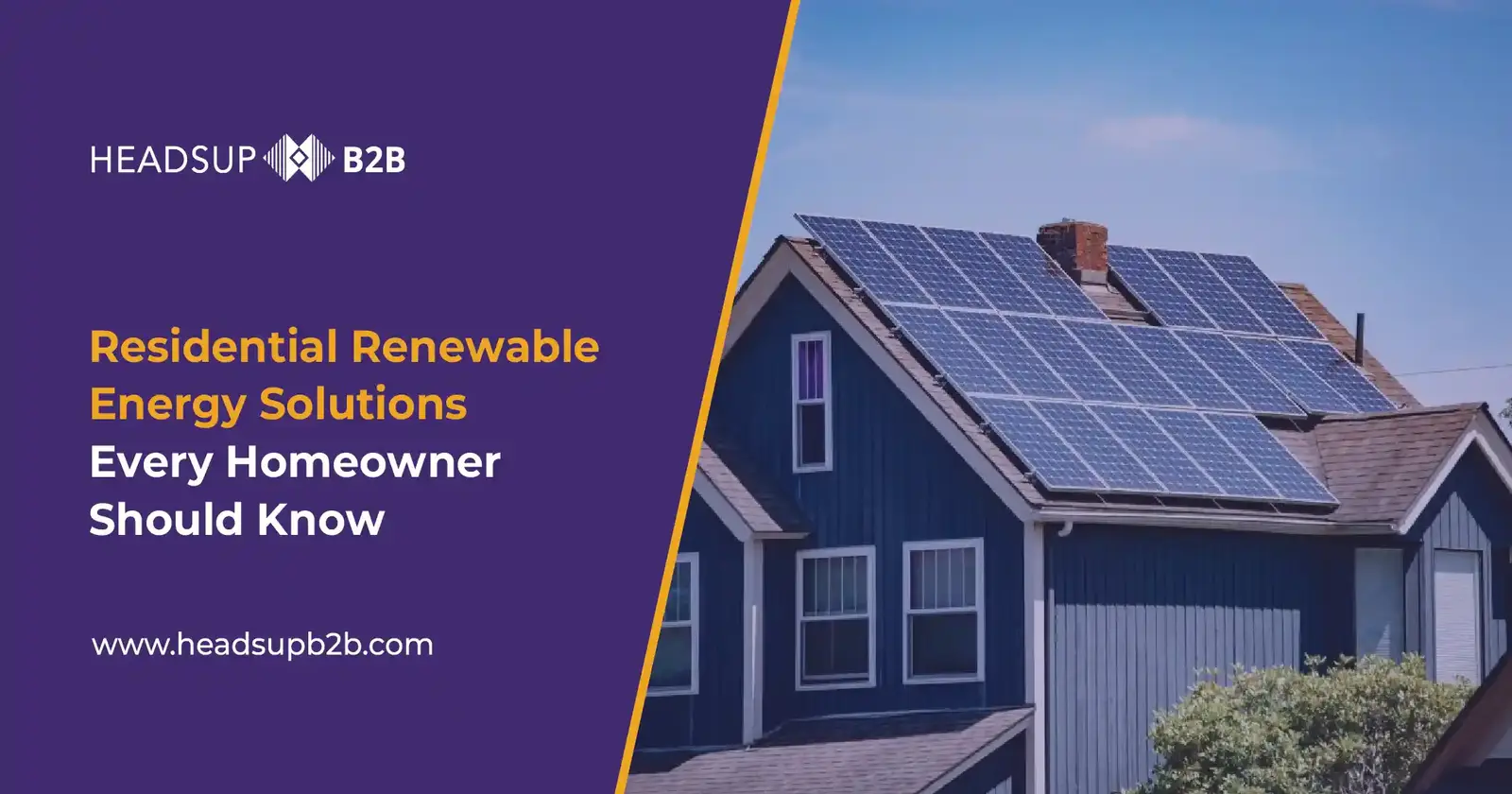
Solar energy is the most popular choice for homeowners, and for good reason. It’s widely accessible, relatively easy to install, and works well in most regions. Rooftop solar panels convert sunlight into electricity, which can power your home directly.
What makes solar appealing is its scalability. You can start small and expand your system over time. Even partial installation can significantly reduce your electricity bills.
Another advantage is low maintenance. Once installed, solar panels require minimal upkeep. Most systems last 20–25 years, making them a long-term investment.
Solar water heating systems
While most people focus on electricity, heating water also consumes a significant amount of energy. Solar water heaters provide a simple and effective way to reduce this load.
These systems use sunlight to heat water directly, which is then stored for use throughout the day. They are often more affordable than full solar panel setups and deliver faster returns on investment.
Home Energy Storage Systems
Battery storage basics
One of the biggest concerns with renewable energy is inconsistency. Solar panels don’t generate power at night, and cloudy days can reduce output. That’s where battery storage becomes essential.
Battery systems store excess energy generated during the day and make it available when needed. This ensures a continuous power supply even when generation drops.
Benefits of storing excess energy
Energy storage gives homeowners flexibility. Instead of sending unused energy back to the grid, you can use it later. This reduces reliance on external power sources.
It also provides backup during outages. In areas with unstable electricity supply, this can be a major advantage. Your home continues running smoothly even when the grid goes down.
Wind Energy for Residential Use
Small wind turbines
Wind energy isn’t as common as solar in residential settings, but it can be effective in the right conditions. Small wind turbines can generate electricity by harnessing wind flow.
These systems work best in open areas with consistent wind speeds. Urban environments may not always be ideal, but suburban or rural homes can benefit significantly.
When wind energy makes sense
Before installing a wind system, it’s important to assess your location. Wind speed, surrounding structures, and available space all play a role.
When conditions are suitable, wind energy can complement solar power. Together, they create a more balanced energy system.
Hybrid Renewable Systems for Homes
Solar + battery combinations
Combining solar panels with battery storage is one of the most effective setups for residential use. It ensures that energy is both generated and stored efficiently.
This setup reduces dependency on the grid and maximizes the use of renewable energy.
Solar + wind integration
For homes with suitable conditions, combining solar and wind can provide a more consistent energy supply. When one source underperforms, the other can compensate.
Hybrid systems offer greater reliability and flexibility compared to single-source setups.
Smart Home Energy Management Systems
Monitoring and automation tools
Smart systems allow homeowners to track energy usage in real time. This visibility helps identify areas where energy is being wasted.
Optimizing energy consumption
Automation takes things further by adjusting energy usage based on patterns. This reduces unnecessary consumption and improves efficiency.
Cost, Savings, and ROI
Investing in renewable energy may seem expensive at first, but the long-term benefits often outweigh the costs. Many homeowners see significant reductions in their electricity bills.
Here’s a quick comparison:
| System | Initial Cost | Savings Potential | Payback Period |
| Solar Panels | Medium to High | High | 4–7 years |
| Solar Water Heater | Low to Medium | Medium | 2–4 years |
| Battery Storage | Medium | Medium to High | 5–8 years |
Savings depend on factors like location, energy usage, and system size.
Challenges Homeowners Should Consider
While renewable energy offers many benefits, there are challenges to keep in mind. Initial investment costs can be a barrier for some homeowners.
Space constraints may also limit installation options, especially in smaller properties. Additionally, not all locations are suitable for every type of renewable energy system.
Understanding these factors helps in making informed decisions.
Conclusion
Residential renewable energy solutions are no longer a niche concept. They’re becoming a practical choice for homeowners looking to reduce costs and gain control over their energy usage. From solar panels to smart energy systems, the options available today make it easier than ever to transition toward cleaner energy.
The shift doesn’t have to happen all at once. Even small steps can lead to meaningful changes over time. What matters is getting started and building a system that works for your home.
Frequently Asked Questions
Share
