


























Sustainable Metal Solutions for Construction






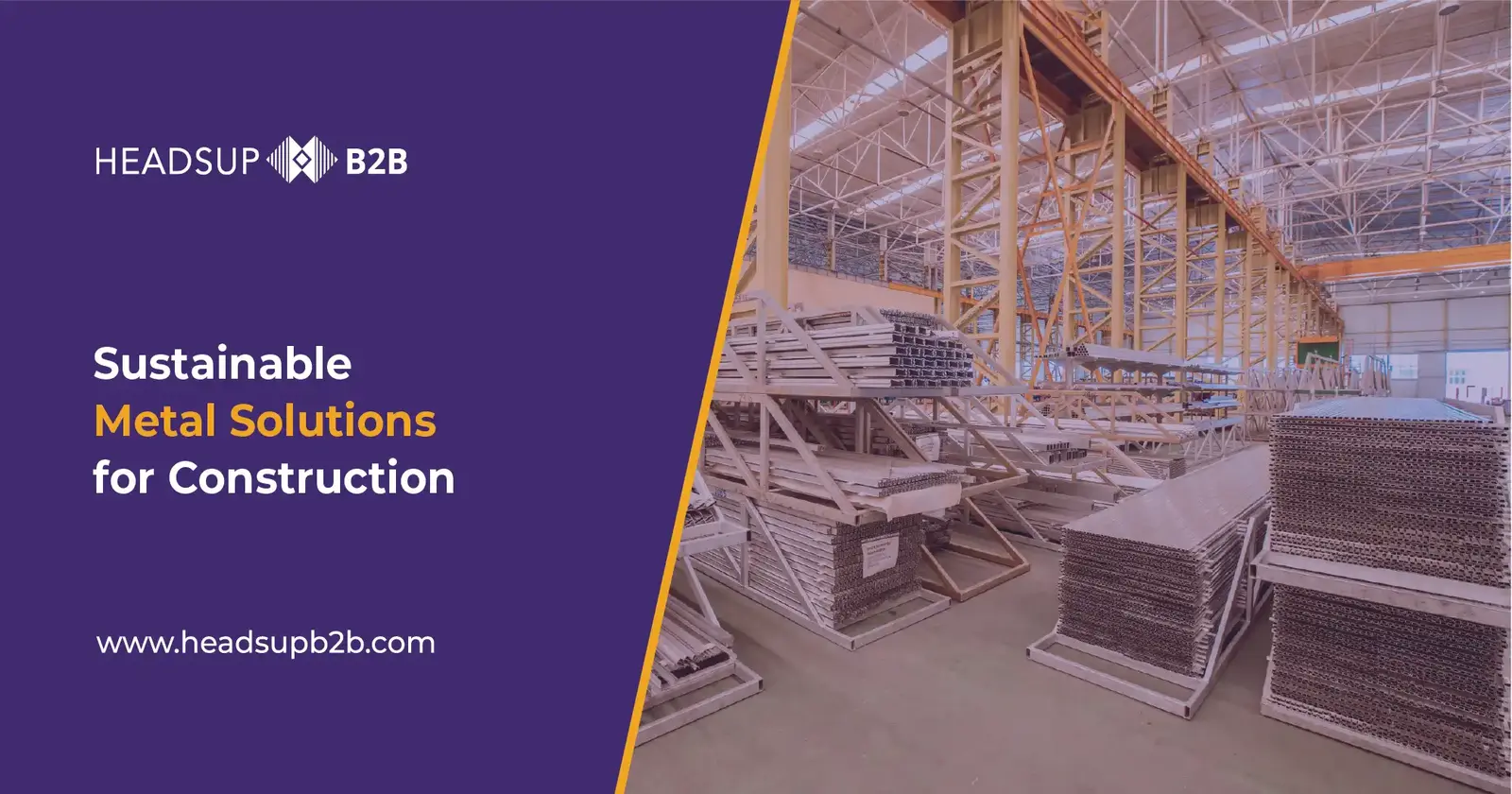
Eco-friendly and sustainable metal solutions for construction – recyclability, energy efficiency, carbon footprint reduction, and green building certifications.
In today’s fast-paced world, where environmental concerns and sustainability are at the forefront, the construction industry has started to embrace sustainable metal solutions. These innovations are not only pushing the boundaries of eco-friendly construction but also setting new standards for efficiency, durability, and cost-effectiveness. Sustainable metal solutions in construction offer a promising way forward, helping the industry meet the global demand for green buildings while contributing to the reduction of carbon footprints.
What Are Sustainable Metal Solutions in Construction?
Sustainable metal solutions refer to the use of eco-friendly metal products that minimize the environmental impact of construction projects. These solutions prioritize recyclability, energy efficiency, and low carbon emissions throughout the lifecycle of metal materials. From the production of raw materials to the end of the building’s life, sustainable metal solutions aim to ensure that the environmental costs are as low as possible.
The most common metals used in sustainable construction are steel, aluminum, copper, and zinc, all of which can be recycled multiple times without degrading their quality. These metals offer excellent durability and strength, which is why they are so widely used in construction projects around the world. Furthermore, their long-lasting properties ensure that they do not need to be replaced frequently, reducing waste over time.
Benefits of Sustainable Metal Solutions in Construction
1. Reduced Environmental Impact
One of the main advantages of using sustainable metal solutions is the significant reduction in environmental impact. Traditional metal production is resource-intensive and involves high energy consumption. However, with advancements in green manufacturing technologies, metals like steel and aluminum are now being produced with lower emissions, using renewable energy sources and innovative processes that consume fewer natural resources.
Moreover, the recyclability of metals plays a crucial role in reducing environmental harm. The use of recycled metal in construction cuts down on the need for mining and refining new materials, preserving natural resources and decreasing overall waste. This makes metal recycling a cornerstone of sustainable construction practices.
2. Durability and Longevity
Metals like steel and aluminum are known for their exceptional strength and durability, which makes them ideal for long-term construction projects. These materials have the ability to withstand extreme weather conditions, resist corrosion, and endure for decades. Unlike many traditional building materials that deteriorate over time, metal structures can remain functional for extended periods, requiring less maintenance and fewer replacements. This enhances the sustainability of buildings and contributes to lower life-cycle costs.
3. Cost-Effectiveness in the Long Run
Although sustainable metal solutions may have a higher upfront cost compared to other materials, the long-term savings are significant. Due to their durability and low maintenance requirements, metal structures often provide greater value over time. Furthermore, metal’s recyclability means that end-of-life metal components can be resold or reused, recovering a portion of the initial investment. This makes sustainable metal solutions not only environmentally friendly but also financially advantageous for builders and developers.
4. Energy Efficiency in Building Design
Using metal-based materials in building designs can improve energy efficiency. Metals are excellent conductors of heat, and when combined with proper insulation techniques, they can help regulate temperatures inside buildings, reducing the need for excessive heating or cooling. This can lead to lower energy consumption and a reduction in operational costs for building owners. Additionally, many metal structures are designed with solar panel integration in mind, further enhancing the building’s energy performance and sustainability.
Applications of Sustainable Metal Solutions in Construction
1. Green Roofing Systems
One of the most popular applications of sustainable metal solutions is in the installation of green roofing systems. These roofs, made from metals like aluminum or zinc, are highly durable and resistant to the elements. Additionally, they can support vegetation on the surface, providing insulation, improving stormwater management, and enhancing the building’s overall energy performance. By using recyclable materials, these roofing systems contribute to the circular economy and help reduce urban heat islands.
2. Steel Framing and Structural Components
Steel framing is another area where sustainable metal solutions shine. Steel is often used to construct the framework of buildings, offering superior strength-to-weight ratios, which allows for the construction of taller buildings with fewer materials. Steel framing also enhances the flexibility of building designs and ensures long-term stability. When the building reaches the end of its life cycle, steel components can be easily recycled and reused in other projects.
3. Facades and Cladding Systems
The use of metal facades and cladding systems provides aesthetic appeal, protection from the elements, and enhanced insulation. Aluminum, copper, and zinc are commonly used for cladding due to their ability to resist weathering, corrosion, and staining. These materials not only offer longevity but also help in maintaining the building’s visual appeal over time. By utilizing eco-friendly metals in facades, buildings can contribute to a greener environment while maintaining modern architectural design standards.
The Future of Sustainable Metal Solutions in Construction
The future of sustainable metal solutions in construction looks bright, with technological advancements continuing to drive innovation in both material production and building design. Emerging trends, such as smart buildings, prefabrication, and 3D printing, are incorporating sustainable metals to reduce waste and energy consumption during construction. Moreover, growing awareness of sustainability and green building certifications, such as LEED (Leadership in Energy and Environmental Design), is likely to drive more widespread adoption of metal-based solutions.
Furthermore, as the demand for eco-friendly construction practices increases, more metal producers are expected to invest in sustainable manufacturing techniques that minimize environmental impacts. Recycled metals will likely become even more prevalent in construction projects, reducing the reliance on virgin materials and further promoting sustainability in the industry.
Conclusion
Discover our full range of sustainable metal solutions for construction at Headsup B2B. With their durability, energy efficiency, and environmentally friendly attributes, metals like steel, aluminum, and copper are helping the construction industry embrace green building practices while reducing its overall carbon footprint. From energy-efficient roofing systems to recyclable structural components, the applications of sustainable metal solutions are vast and varied. As technology and sustainability practices evolve, metal solutions will continue to play a key role in shaping the future of construction.
- Durable construction materials
- Eco-Friendly Construction Materials
- Sustainable metal solutions
Share
