




















Top Biomass Fuel Solutions for Sustainable Energy






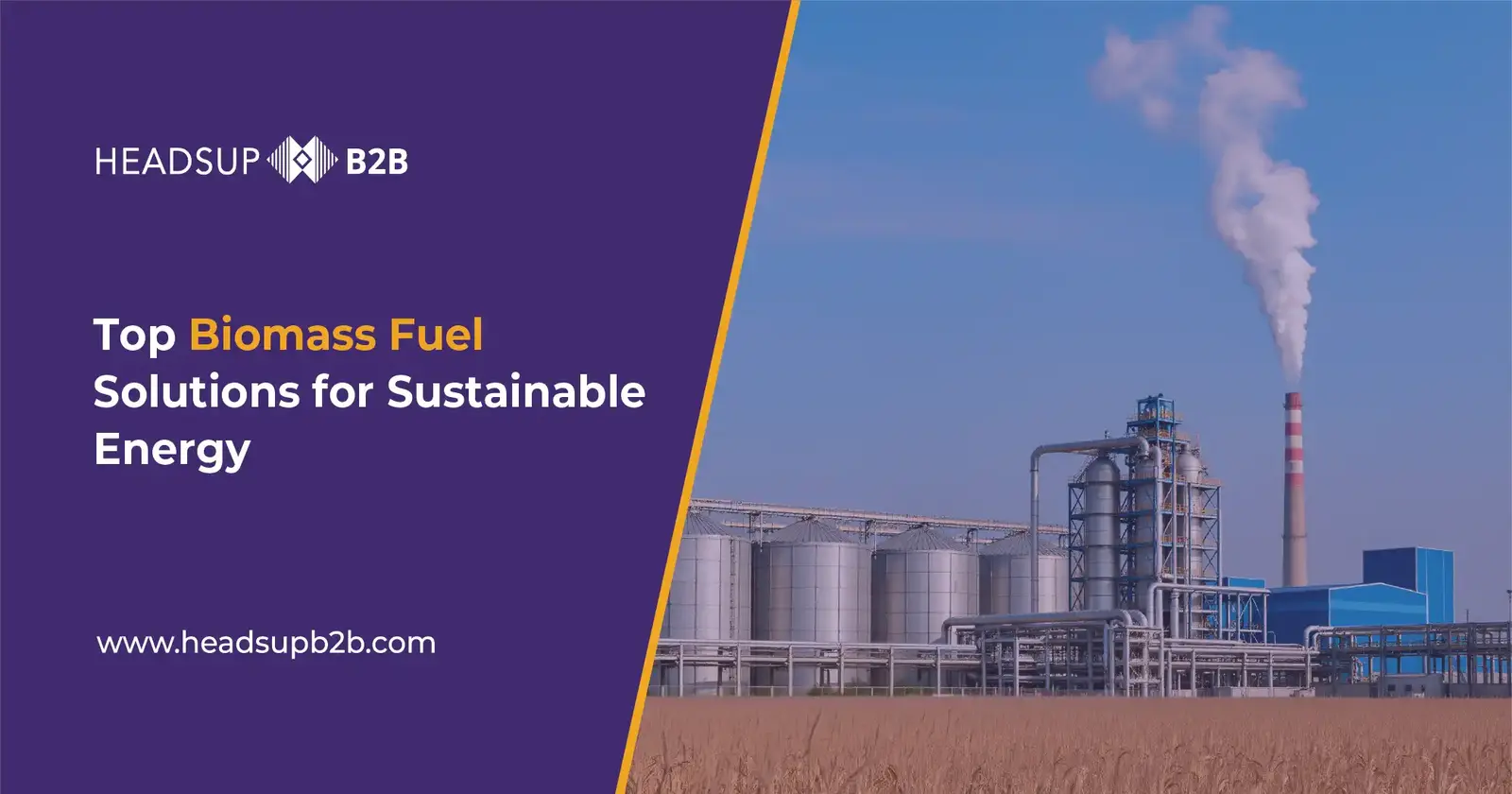
We present a detailed and authoritative discussion on biomass fuel solutions as a dependable pillar of sustainable energy systems. Biomass fuels convert organic matter into usable power, supporting energy security while lowering dependence on fossil resources. Through careful sourcing, advanced processing, and efficient conversion, biomass energy supports long term energy stability for industrial, commercial, and community scale use.
Biomass energy rests on renewable biological materials such as agricultural residues, forestry byproducts, and organic waste streams. These materials regenerate through natural cycles, enabling consistent fuel supply when managed with discipline and accountability. Our focus centers on practical, scalable, and efficient biomass fuel pathways that meet modern energy demands.
Understanding Biomass Fuel Sources and Feedstock Integrity
Biomass fuel performance depends on feedstock quality and consistency. We prioritize feedstock integrity through structured sourcing strategies that ensure predictable calorific value and moisture control.
Primary biomass sources include crop residues like corn stover and rice husks, forestry residues such as sawdust and wood chips, and organic byproducts from food processing. Each source presents distinct thermal properties and handling needs. Proper preprocessing such as drying, sizing, and sorting supports stable combustion and reduced emissions.
We also consider energy crops grown on marginal land, including switchgrass and miscanthus. These crops provide high yield per hectare and limited competition with food production, reinforcing responsible land use.
Solid Biomass Fuels for Reliable Heat and Power
Solid biomass fuels remain the most established biomass solution worldwide. These fuels support direct combustion systems for heat and electricity generation.
-
Wood Pellets and Briquettes: Wood pellets and briquettes deliver uniform size, low moisture, and high energy density. Pelletization compresses raw material into standardized units that simplify storage, transport, and automated feeding. Industrial boilers and district heating networks rely on pellets for steady output and predictable performance.
-
Agricultural Residue Fuels: Crop residues serve as cost effective fuels when processed correctly. Densification into briquettes improves handling and combustion behavior. These fuels convert agricultural waste into revenue streams while reducing open field burning.
Liquid Biofuels for Transport and Power Generation
-
Liquid biomass fuels offer versatility across transport and power sectors. These fuels integrate with existing infrastructure while reducing lifecycle emissions.
-
Bioethanol Production and Application: Bioethanol arises from fermentation of sugars and starches found in crops such as sugarcane and corn. It functions as a transport fuel blend or as a dedicated fuel in adapted engines. Ethanol production systems achieve high conversion efficiency when paired with co product recovery.
-
Biodiesel From Organic Oils: Biodiesel originates from vegetable oils and animal fats through transesterification. It provides lubrication benefits and cleaner combustion compared to petroleum diesel. Biodiesel supports fleet operations, backup generators, and agricultural machinery with minimal engine modification.
Industrial Biomass Energy Systems
Industrial sectors benefit from biomass through combined heat and power systems. These systems supply electricity and process heat simultaneously, raising total energy efficiency.
Paper mills, food processors, and chemical plants integrate biomass boilers to meet internal energy needs while controlling operational costs. Onsite biomass systems reduce grid reliance and strengthen energy resilience.
Environmental Performance and Emissions Control
Biomass fuels support reduced net greenhouse gas output when sourced responsibly. Carbon released during combustion aligns with carbon absorbed during biomass growth cycles.
Modern biomass systems apply emission control technologies such as cyclones, fabric filters, and flue gas condensation. These measures manage particulate matter and improve air quality compliance.
Ash byproducts often support agricultural or construction uses, supporting material reuse within regulated standards.
Supply Chain Management and Fuel Logistics
Efficient biomass energy relies on structured logistics. Feedstock collection, storage, and transport require coordination to prevent degradation and supply disruption.
Regional sourcing minimizes transport emissions and supports local economies. Long term contracts stabilize pricing and ensure feedstock availability throughout seasonal changes.
Digital tracking systems monitor inventory, moisture content, and delivery schedules, supporting operational reliability across facilities.
Economic Strength of Biomass Fuel Solutions
Biomass energy strengthens local markets by creating demand for agricultural and forestry residues. Investment in biomass infrastructure generates skilled employment across rural and industrial regions.
Stable fuel pricing protects operators from fossil fuel volatility. Government incentives and renewable energy targets further support biomass project viability.
Future Pathways for Biomass Energy Growth
Continuous progress in conversion efficiency, feedstock processing, and emissions management shapes the next phase of biomass energy. Advanced reactors, improved catalysts, and integrated waste systems expand biomass capability across sectors.
Biomass fuels remain a practical and scalable component of sustainable energy portfolios worldwide, supporting reliable power while respecting environmental limits.
Closing Perspective
We affirm biomass fuel solutions as a central contributor to sustainable energy development. Through disciplined sourcing, advanced processing, and responsible system design, biomass energy meets present demands while supporting future stability. Our focus remains on performance, accountability, and long term value for energy producers and communities alike.
- biomass fuel solutions
- biomass fuels
- industrial biomass energy
- renewable biomass energy
- sustainable biomass energy
Share
