




















Why Biomass Energy Solutions Are the Future of Renewable Energy?






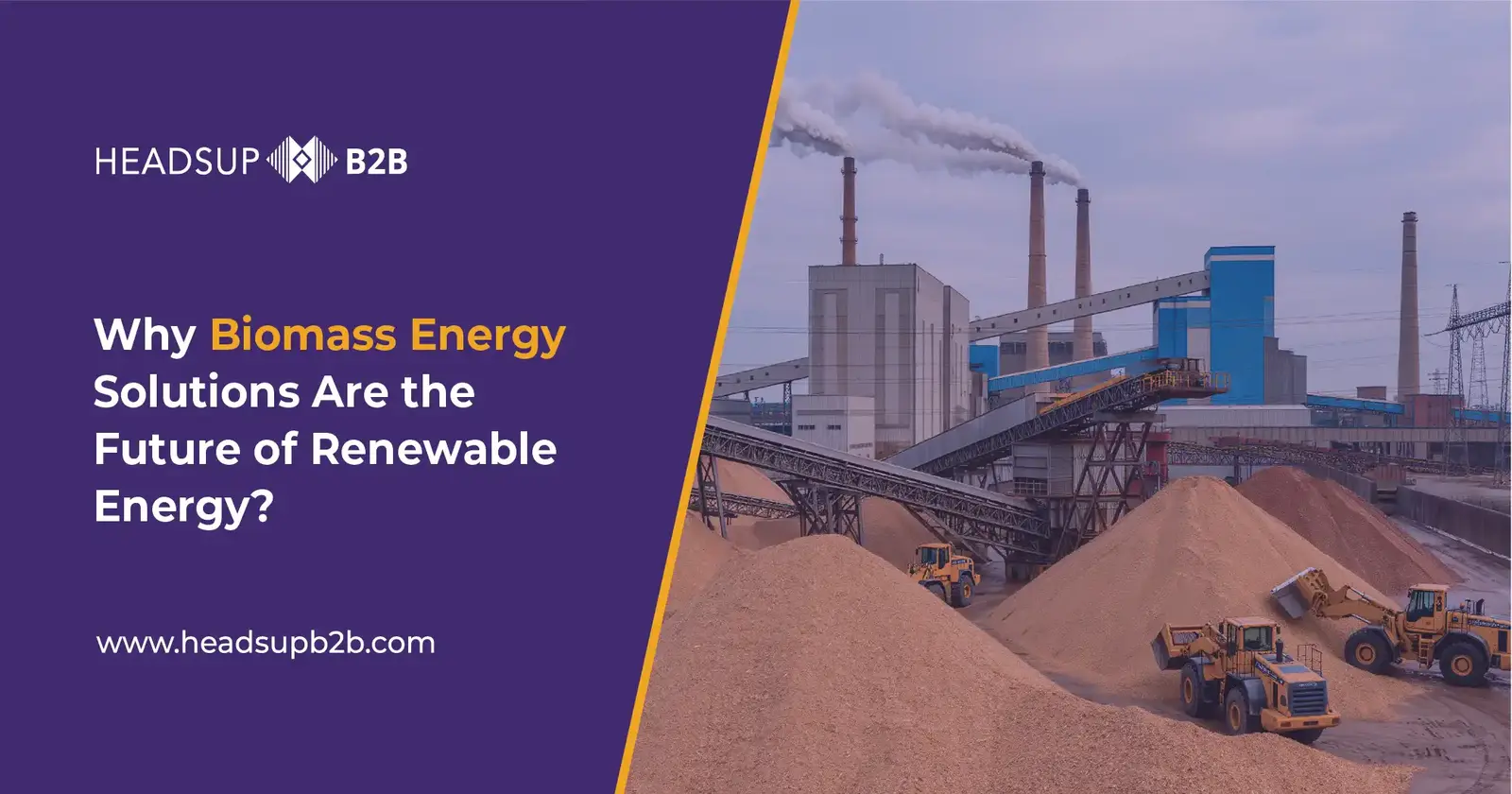
Biomass energy, derived from organic materials like plants, wood, and agricultural waste, is rapidly emerging as one of the most promising solutions for a sustainable future. In an era where the world is seeking cleaner and more reliable energy sources, biomass energy stands out as a vital player in the renewable energy space.
What is Biomass Energy?
Simply put, biomass energy refers to energy produced from organic matter. This includes everything from wood and crop residues to animal manure and even algae. When these materials are burned or processed, they release energy that can be used to produce electricity, heat, and even biofuels.
How Biomass Energy Works?
Biomass energy works by converting organic materials into usable fuel. Through processes like combustion, fermentation, or anaerobic digestion, biomass is transformed into bioenergy that can be harnessed for various needs. For instance, in power plants, biomass is burned to generate heat, which then produces steam to drive turbines and generate electricity.
The Growing Demand for Renewable Energy
As fossil fuels become increasingly scarce and their environmental impacts grow more evident, the world is looking to renewable energy sources like solar, wind, and biomass to meet its energy needs.
-
Global Shift Towards Sustainable Energy: Governments and organizations worldwide are setting ambitious targets to reduce their carbon footprints and shift towards clean energy. Biomass, with its versatility and availability, is poised to be a key player in this shift.
-
Benefits of Renewable Energy: Renewable energy sources, including biomass, offer a range of benefits such as reducing greenhouse gas emissions, decreasing air pollution, and providing energy security. Biomass, in particular, helps reduce reliance on fossil fuels while making use of agricultural and industrial byproducts that would otherwise go to waste.
Biomass Energy vs. Other Renewable Sources
While solar, wind, and hydropower have garnered much attention in the renewable energy conversation, biomass offers some unique advantages that set it apart.
-
Comparing Biomass to Solar, Wind, and Hydropower: Solar and wind are intermittent energy sources that depend on weather conditions, making them less reliable in some areas. Biomass, however, can be produced and used consistently, providing a stable energy source that can be utilized even when the sun isn’t shining or the wind isn’t blowing.
-
Unique Advantages of Biomass: One of the standout benefits of biomass is its ability to be used in existing power infrastructure. Unlike other renewable sources, biomass can be used in traditional coal power plants with little modification. This makes the transition to greener energy more achievable and cost-effective.
Environmental Benefits of Biomass Energy
Biomass energy is often touted as a more environmentally friendly alternative to fossil fuels. But what makes it so eco-friendly?
-
Reducing Carbon Emissions: When biomass is burned, it releases carbon dioxide, but this is part of a natural cycle. The carbon released is equal to the amount the plants absorbed during their growth, creating a balance that is not present with fossil fuels. Additionally, advanced biomass conversion technologies reduce carbon emissions further.
-
Minimizing Waste: One of the key environmental benefits of biomass energy is that it can be made from waste materials. Agricultural waste, forest residues, and even food scraps can be turned into bioenergy, reducing landfill waste and promoting a circular economy.
How Biomass Contributes to a Circular Economy
Biomass plays a crucial role in the circular economy, where waste is minimized, and resources are reused.
-
Waste-to-Energy Solutions: By converting agricultural and industrial waste into energy, biomass helps close the loop in a circular economy. This process not only generates renewable energy but also reduces waste and promotes sustainability.
-
Sustainable Production and Consumption: Biomass energy promotes sustainable production by using renewable resources. Unlike fossil fuels, which take millions of years to form, biomass can be regenerated annually, ensuring a continuous supply of energy.
Technological Innovations in Biomass Energy
As technology continues to advance, biomass energy solutions are becoming more efficient and sustainable.
-
Advanced Biomass Conversion Technologies: New technologies, such as gasification and pyrolysis, are improving biomass’s efficiency by converting it into biofuels and bioelectricity with fewer emissions and greater energy yield.
-
Future Trends in Biomass Energy: The future of biomass energy looks promising, with developments in algae-based biofuels, waste-to-energy systems, and more efficient conversion technologies. These innovations will help biomass become even more viable and competitive in the energy market.
Challenges and Limitations of Biomass Energy
While biomass energy offers numerous advantages, it’s not without its challenges.
-
Land Use and Sustainability Concerns: Growing biomass crops requires land, water, and nutrients, which could compete with food production. There’s also concern about deforestation, as the demand for biomass energy increases.
-
Cost and Efficiency Issues: Although biomass energy is a sustainable option, it can be expensive to produce and less efficient than other renewable sources like wind and solar. Overcoming these economic barriers will be crucial to scaling up biomass use.
The Future of Biomass Energy
Despite the challenges, the future of biomass energy looks bright.
-
Scaling Up Biomass Production: As more efficient technologies are developed and the biomass industry scales up, the cost of production will likely decrease, making it a more competitive energy source.
-
Integration into the Global Energy Mix: Biomass will play an increasingly important role in the global energy mix, especially in countries where agricultural waste is abundant and where there is a need for reliable, renewable energy sources.
Conclusion
Biomass energy solutions are rapidly becoming a cornerstone of the renewable energy future. They offer a reliable, sustainable, and environmentally friendly energy source that can contribute significantly to global energy needs. With ongoing technological advancements and growing demand for renewable solutions, biomass energy is poised to be a key player in the transition to a greener future.
FAQs
-
What is biomass energy and how is it produced?
Biomass energy is produced from organic materials like wood, agricultural waste, and even algae. These materials are converted into biofuels or used directly in power plants to generate heat and electricity. -
How does biomass energy help the environment?
Biomass energy helps reduce carbon emissions and minimizes waste by using materials that would otherwise end up in landfills. -
Is biomass energy cost-effective?
Biomass energy can be more expensive to produce than other renewable sources like wind or solar, but technological advancements are making it more affordable over time. -
What are the main challenges of biomass energy?
Biomass energy faces challenges related to land use, sustainability, and cost efficiency. However, ongoing research is addressing these issues. -
Can biomass energy replace fossil fuels?
While biomass energy cannot fully replace fossil fuels, it can play a significant role in reducing reliance on fossil fuels by providing a renewable, reliable alternative.
- biomass energy
- Future of Energy Solutions
- renewable-energy
Share
